Go ahead and try
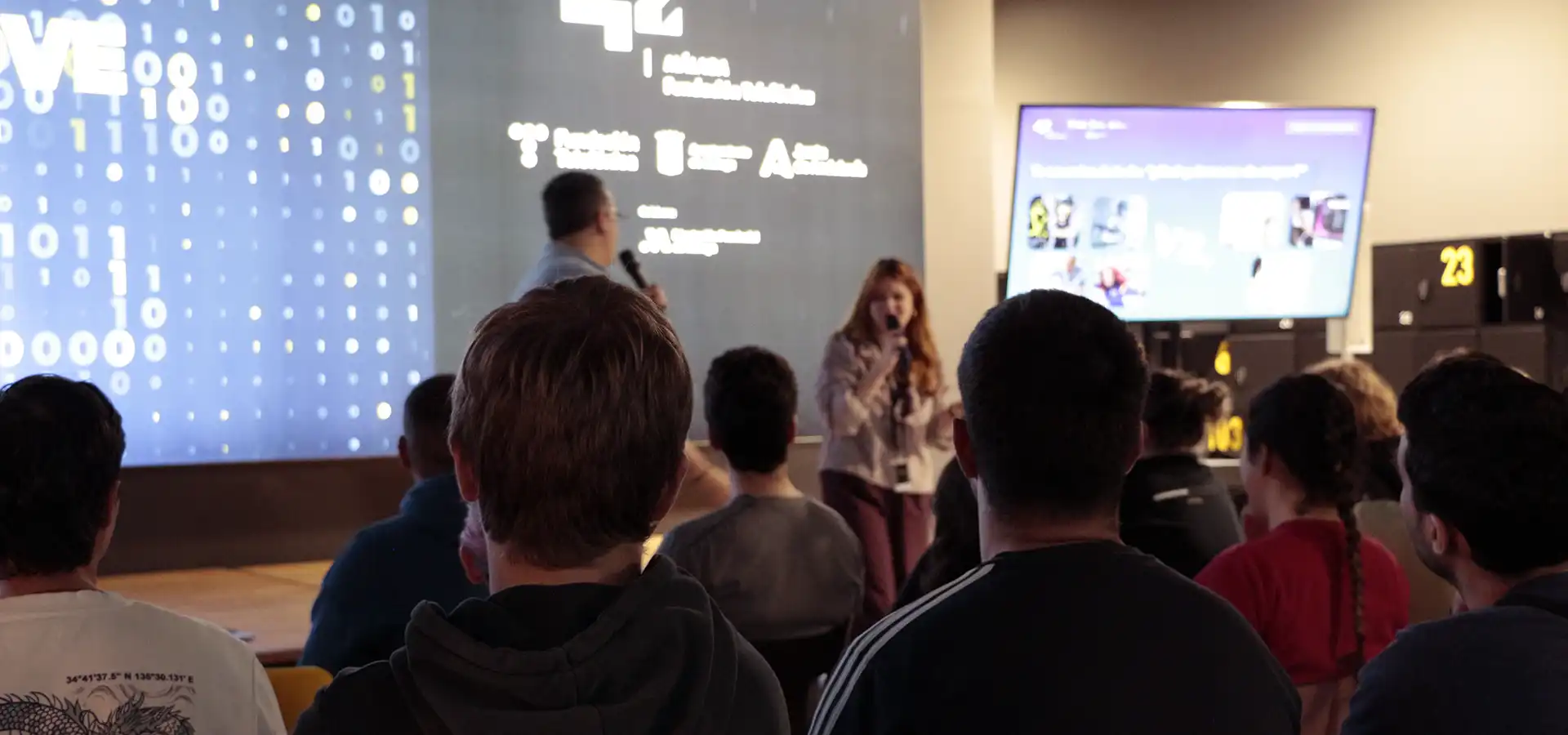
At 42 Málaga, we run various initiatives that will allow you to get to know our campus and experience our methodology first-hand.


Go ahead and try
open doors
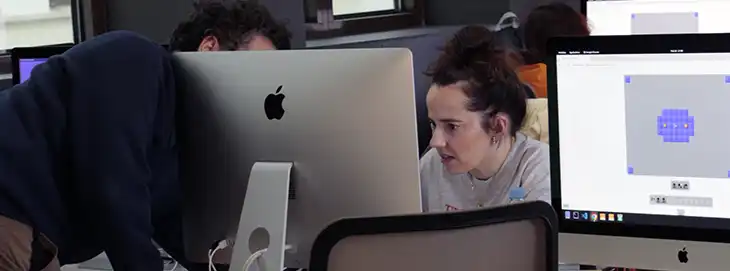
In addition to visiting and getting to know the campus facilities, you will be able to discover methodology 42 by facing a series of challenges related to programming that will test your digital and social skills.
You do not need to have prior knowledge in programming, the only requirement is to be of legal age and eager to learn how to learn.
PISCINE DISCOVERY
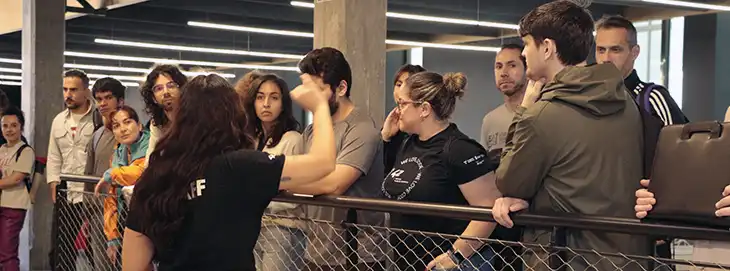
Discover 42 for five days, in person and free of charge while you stimulate your transversal skills.
· WEB: you will learn how to create a website using three essential tools for its development: HTML, CSS and JavaScript.
· CYBERSECURITY: you will learn intensively in OSINT, web hacking and cryptography for 5 days while acquiring a series of skills to complement your professional profile.
· PYTHON: This is a groundbreaking, five-day in-person experience that will enable you to acquire technical and knowledge related to the Python programming language, one of the most widely used today.
DISCOVERY DAYS
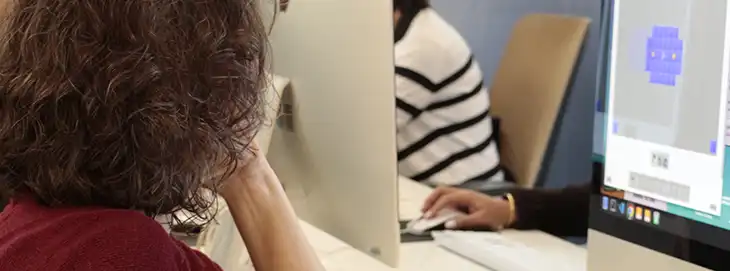
You could also learn in a few hours some basic concepts to get closer to technology. For example, like using AI to improve your professional profile and get your next job in the tech industry.
frequently asked questions
Up to a maximum of four and a half years on average, with the first part – the ‘Common Core’ – lasting between 12 and 18 months.
Artificial Intelligence is not an optional extra or a mere add-on; rather, it is woven throughout 42’s learning curriculum, ranging from fundamental concepts to the creation of architectures for fully autonomous systems. AI is integrated by design and in a progressive manner, not simply to follow a trend. The aim is that, upon completing your studies, you will be able to design, develop and critically evaluate AI-integrated solutions to address the current challenges facing the industry.
The training at 42 is intensive. It isn’t advisable to have a full-time job. Part-time work is more reasonable, but it requires a large degree of personal discipline.
You progress through the study plan by completing projects and earning points. With these points you go up through the levels and unlock more projects and branches of specialisation. You can also master different skills and complete missions and achievements.
No preparatory diploma or specialisation course is required to become a student at 42.
The original curriculum was created in 2013 by the Campus 42 Paris team, a group of veterans in the field of IT education in France. Since then, it has evolved thanks to contributions from teaching staff across the global network of campuses, cooperation with companies, and even input from students. Every quarter, the teaching committee—made up of teaching staff from all campuses—meets to discuss and implement updates to the curriculum based on current industry trends.
42 does not offer official academic qualifications within the Spanish formal education system. However, students who complete certain specialisation projects can obtain RNCP certification — Répertoire National des Certifications Professionnelles —, a professional certificate officially recognised by the French Ministry of Labour and valid throughout Europe under the European Qualifications Framework.
The Common Core is available in Spanish, but it can also be studied in other languages, including English, French, German and Portuguese. Although it isn’t essential to know any English, it’s true to say that most of the information related to programming is in this language. So, if you come to 42, now’s the time to start using it again or study it from scratch. However, this shouldn’t become an obstacle, as there are students on the campus who’ll know English and be happy to help you.
As long as each person needs. We firmly believe that every student is unique and should be allowed to learn at their own pace.
Completion of the ‘Common Core’ is normally achieved within a timeframe of 12 to 18 months maximum.
In the case of specialisations – from level 8 to 21 – this block lasts up to four and a half years.
The ‘Cursus’ also includes two work placement periods.